


OctaviewSpectrum analyzer · see your mix's balance, and read any peak's note and level
The only spectrum analyzer plugin you'll ever need to see what your mix is made of.
See your mix's balance as one shape, set up the way mixing engineers set theirs, and point at any peak to read its frequency, its note with the cents and its true level. Octaview only reads the audio: your sound passes through bit for bit, with zero latency.
- Use it on 5 computers per copy
- Lifetime updates
- 90-day money-back guarantee
- Download link in minutes
- VST3, AU and AAX, Windows and macOS
- Try it free
Formats and DAWs
Windows 10 and 11 (64-bit): VST3 and AAX
macOS 11 or later: VST3, AU and AAX
Works in any 64-bit DAW that loads VST3, AU or AAX plug-ins.
Licence
Use it on up to five of your own computers per copy you buy. Yours for good, no subscription. Unlock it with your email and a six-digit code, no dongle and no password. It checks in now and then and works offline in between.
Delivery
Download links by email within about five minutes, and always in your account under Downloads.
Octaview in action
Octaview in under a minute, the real plugin reading real material: TILT, SPEED and RANGE on a beat, a sweep across the display, RESET, a preset and ENGAGE. The sound never changes, so this video is the preview.
Why Octaview
Read the peak, not the pointer
The reading names the loudest peak by itself and snaps to the peak under the pointer, read between the analysis points: a steady tone to within 0.01 % in frequency, under a cent, and 0.05 dB. The note of an 808 or the frequency of a resonance, without squinting at a cursor.
Set up for mixing
A 4.5 dB/oct tilt so a balanced mix reads about flat, a 1.4 s average and a 90 dB range: the settings mixing engineers copy into their analyzers are the default here, with 14 more ways of looking one click away.
Your sound, untouched
Octaview only reads the audio. It passes through bit for bit at every setting, preset and bypass state, with zero latency, so it can stay on your mix while you work.

See it. Read it.
The display shows your mix's balance as one shape, and the reading under it names the loudest peak's frequency, note and level.
- VST3 · AU · AAX
- Windows and macOS
- 0 latency
- 15 presets
The spectrum analyzer plugin
- Read the peak, not the pointer. The loudest peak named by itself, or the peak under the pointer: frequency, note with the cents and true level, a steady tone to under a cent and 0.05 dB.
- Set up for mixing. A 4.5 dB/oct tilt, a 1.4 s average and a 90 dB range by default, with 14 more ways of looking one click away.
- Width in one click. SOURCE shows the centre or only what is wide, to find low end that should be centred.
- Your sound, untouched. Bit-for-bit pass-through and zero latency, so it can stay on your mix while you work.
- RANGE (60, 90, 120 dB), RESOLUTION (2048, 4096, 8192), TILT (0 to 6 dB/oct) and SPEED (0.1 to 5 s).
- SOURCE (STEREO, MID, SIDE, L, R) and the reading: FREQUENCY, NOTE with cents and LEVEL.
- PEAK, RESET, FREEZE, REF for a second signal from the side input, IN and REF meters, and ENGAGE.
- 15 factory presets and your own preset files; A/B, undo and redo, MIDI Learn; a window from 75 to 200 %; the full manual.

THE READING
Point at a peak. Read its note.
The reading snaps to the peak under the pointer and gives its frequency, its note with the cents and its true level, read between the analysis points.
What Octaview does
Every control has one job: see the balance you hear, and read any peak in it.
RANGE
See small moves or deep tails
How many dB the display shows under its 0 dB top line: 60 to make small differences in balance stand out, 90 (the default) for a mix and its quieter parts, 120 for reverb tails and noise floors. Only the picture changes; the reading is the same at every range.
RESOLUTION
The note of an 808, or every hit
The size of each analysis: 2048, 4096 (the default) or 8192. At 48 kHz they separate frequencies about 23, 12 and 6 Hz apart, so 8192 pulls apart the low notes of an 808 or a bass, and 2048 follows fast parts.
TILT
A balanced mix reads flat
Leans the display round 1 kHz, from 0 to 6 dB/oct. At 4.5, the default and the usual mixing setting, a balanced mix reads about flat and a band that stands out is obvious; at 3 pink noise reads flat; at 0 every frequency sits at its true level. The reading's level is never tilted.
SPEED
From each hit to a whole section
How long the filled curve, the average, takes to follow the music, from 0.1 to 5 s. Short to watch each kick and snare, the default 1.4 s to follow a phrase, long to see a whole section's balance without the jumps.
SOURCE
Find low end that should be centred
What is analysed: STEREO, both channels as you hear them; MID, the centre of the mix; SIDE, only what is wide, where low end that should be centred shows up; or L and R, one channel each.
The reading
Frequency, note and level, by itself
With the pointer away it names the loudest peak. Point near a peak and it snaps to it within two semitones, so you never have to land on the tip. It gives the frequency, the note with its cents (A4 = 440 Hz, middle C = C4) and the true level: a steady tone to within 0.01 % and 0.05 dB.
PEAK and RESET
See where the mix has been
PEAK draws a thin white line at the highest level each frequency has reached. RESET, or a click anywhere on the display, starts it again from the music playing now, after a loud section or a change in your mix.
FREEZE
Hold the picture, read it
Holds the curve, the peak line and the lights so you can point at them and read them while the music plays on. Click it again to follow the audio. A frozen picture is never saved and never an undo step.
REF
A second signal on the same display
Draws the spectrum of Octaview's side input in orange over yours, with the same settings, to hold your mix against a finished song. Route it to the side input in your host, match the loudness by ear and switch REF on. A host that does not offer a side input leaves REF with nothing to draw.
ENGAGE
A bypass that never touches the sound
Your host's bypass. Off, the display stops, dims and reads BYPASSED. The audio passes through untouched either way: there is no mix and no gain anywhere, on purpose.
15 sourced presets
Fifteen ways of looking
Init for the everyday mixing view, then Balance, Fast Look, No Tilt, Pink Flat, Kick and 808, Sub Detail, Mid, Side, Resonance, Deep 120, Close 60 and more. Each is a way of looking, built from a documented setting; none changes the sound.
A window over the city
See the mix light up
The display is dark glass over a city at night. The sky over the horizon glows with the input and the district under the loudest band brightens with it. With ENGAGE off, frozen or in silence, the lights rest.
Inside the plugin
The Octaview window: a wide display over a city at night, the reading under it, and nothing that touches the sound.
Every feature
Everything in Octaview, down to the smallest switch.
43 features
The display
-
RANGE
60, 90 or 120 dB under a 0 dB top line
-
RESOLUTION
2048, 4096 or 8192: about 6 Hz apart in the low end at 8192
-
TILT
0 to 6 dB/oct round 1 kHz; at 4.5 a balanced mix reads about flat
-
SPEED
A 0.1 to 5 s average, from each hit to a whole section
-
PEAK line
The highest level each frequency has reached; RESET or a click starts it again
-
FREEZE
Hold the picture and read it while the music plays on
The reading
-
Loudest peak, named
With the pointer away, the mix's loudest peak, read by itself
-
Snaps to the peak
Point within two semitones of a peak and it locks on
-
Frequency, note and cents
A steady tone within 0.01 %, under a cent; A4 = 440 Hz, middle C = C4
-
True level
Within 0.05 dB on a steady tone, never tilted
-
Read between the points
Taken from the shape of the peak, not rounded to the analysis
What you look at
-
SOURCE
STEREO, MID, SIDE, L or R: the whole mix, its centre, its width or one side
-
15 ways of looking
Mix, Low, Stereo, Ref and Detail views, one click each
-
REF
A second signal from the side input, in orange over yours
Your sound, untouched
-
Bit for bit
At every setting, preset, bypass and freeze state (tested)
-
Zero latency
0 samples, always: it can sit on a vocal you are recording
-
No mix, no gain, on purpose
Nothing on the face can change the audio
Workflow and control
-
A/B compare and A>B
Two complete settings, switch in one click
-
Undo and redo
Step back and forward, or press Ctrl+Z
-
MIDI Learn
Take complete control of your workflow: right-click any control, move a knob
-
Host automation
Automate every control from your DAW
-
ENGAGE
The host bypass: the display stops; the audio passes untouched either way
-
IN and REF meters
The main input's and the side input's peak levels at a glance
-
Tooltips
Every control explains itself as you point at it
-
Resizable window
75 to 200 %, and the size you pick is remembered
Presets
-
15 factory presets
Each one a way of looking, built from a documented setting; none changes the sound
-
Previous and next arrows
Audition presets one click at a time
-
Save your own
Keep your settings as .spectrumpreset preset files
-
Open presets folder
Back up or share your presets in one click
-
Reset to default
Back to a clean start in one step
Performance
-
Mono or stereo
On a track, a bus or the last slot of your mix
-
CPU, as measured
About 2.4 to 2.6 % of one core with the window open at 20 frames a second
-
Window closed
Nothing is analysed; the audio side costs 0.02 % of one core
-
Any session rate
Tested at 44.1, 48 and 96 kHz
-
A city that follows the music
Skyglow with the input, lights under the loudest band
Licence and compatibility
-
VST3 and AAX, Windows 7 SP1 or later
Loads in any 64-bit Windows DAW with VST3 or AAX
-
VST3, AU and AAX, macOS 10.13 or later
Loads in any Mac DAW with VST3, AU or AAX, Intel or ARM
-
5 computers per copy
Studio, laptop and more on one licence
-
Email and code unlock
No dongle, no password, no extra app
-
Works offline
No internet needed between check-ins
-
Check for updates
From the plugin's menu; nothing installs without asking
-
Lifetime updates
Every future update included
-
Platinum priority support
Questions answered by the people who build it
How Octaview compares
A reading that names the peak, a view set up for mixing, and your audio left exactly as it is.
| Octaview | Typical spectrum analyzer plugins | |
|---|---|---|
| Reading | Snaps to the peak: frequency, note, cents and true level | Often the frequency under the cursor |
| Accuracy | Read between the analysis points: under a cent and 0.05 dB on a steady tone | Often rounded to the nearest analysis point |
| Default view | Set up for mixing: 4.5 dB/oct tilt, 1.4 s average, 90 dB | Often a raw, jumpy line to set up yourself |
| Width | SOURCE: stereo, mid, side, left or right | Often stereo only |
| Hold and read | FREEZE holds the picture while the music plays on | Often missing |
| Your audio | Bit for bit, zero latency, at every setting | Often unstated |
| Try-and-compare | A/B, A>B, undo and redo | Often missing |
| Hardware control | MIDI Learn on every control | Often host automation only |
| Licence | 5 computers per copy, no dongle, works offline | Often fewer activations, or a dongle |
| Updates | Lifetime updates included | Often paid upgrades |
"Typical" describes what we commonly see in this category; it does not describe any particular product. Octaview facts are from the plugin and its manual, October 2026.
What you get
Vox Samples
90-day money back · Thank you
Specs and system requirements
- Formats
- VST3 and AAX on Windows; VST3, AU and AAX on macOS
- Operating system
- Windows 7 SP1 or later, 64-bit; macOS 10.13 or later, universal (Intel and ARM)
- Host
- Any 64-bit DAW that loads VST3, AU or AAX plug-ins. No standalone app.
- Channels
- Mono or stereo; a side input (off, mono or stereo) for REF
- Sample rates
- Whatever your session runs at; tested at 44.1, 48 and 96 kHz
- Latency
- 0 samples, always
- Sound
- Passes through bit for bit at every setting, preset, bypass and freeze state (tested)
- Display
- 20 Hz to 20 kHz on a musical scale, a 0 dB top line and a 60, 90 or 120 dB range; 20 frames a second
- Analysis
- 2048, 4096 or 8192 points: frequencies about 23, 12 or 6 Hz apart at 48 kHz
- Reading
- Frequency, note with cents and level of the loudest peak or the peak at the pointer; a steady tone within 0.01 % in frequency and 0.05 dB in level. A4 = 440 Hz, middle C = C4
- CPU
- The audio side 0.02 % of one core. With the window open and music playing, the analysis and the display together about 2.4 to 2.6 % of one core at 20 frames a second (measured on a quiet computer); with the window closed, almost nothing
- Presets
- 15 factory presets; your own as .spectrumpreset files
- Manual
- https://voxsamples.com/octaview-spectrum-analyzer-manual
- Window
- 960 x 600 at 100 %, resizable from 75 to 200 %
- MIDI
- MIDI Learn from any controller routed to the track
- Licence
- 5 computers per copy you buy. Unlock with your email and a code we email you. Checks in now and then and works offline in between.
- Internet
- Needed once to unlock, then for the occasional check-in
90Day money-back guarantee
Our guarantee
-
90-day money-back guarantee
Not for you? Email contact@voxsamples.com within 90 days for a full refund.
-
5 computers per copy
Use it on up to five of your own computers per copy you buy, and move it yourself from the plugin's Licence menu.
-
Lifetime updates
Every future update and upgrade of Octaview, included.
-
Platinum priority support
A real person at contact@voxsamples.com, first in line.

Try Octaview free
The whole plugin, with the same sound as the full version and no time limit. It goes silent for a moment every few seconds; the full version never does.
Windows and macOS installers in one download. Like what you hear? Get the full version on this page, with a 90-day money-back guarantee.
Questions
Does it change my sound?
No. The audio passes through bit for bit at every setting, with ENGAGE on or off, and with no latency (tested).
How accurate is the note reading?
A steady tone reads within 0.01 % in frequency, well under a cent, and 0.05 dB in level, anywhere between the analysis points. Notes use A4 = 440 Hz and call middle C C4; some hosts call it C3 or C5.
Why does my mix look tilted, or flat?
TILT leans the display 4.5 dB/oct round 1 kHz, so a balanced mix reads roughly flat. Set TILT to 0, or load Mix / No Tilt, to see true levels.
Can I find the note of an 808?
Yes. Load Low / Kick and 808 and point at the lowest peak, the fundamental: the reading gives the note and how many cents off it is.
How do I compare my mix with a finished song?
Route the song to Octaview's side input in your host, match the loudness by ear and switch REF on, or load Ref / Slow Compare. Each host routes a side input its own way; a host that does not offer one leaves REF with nothing to draw.
How much CPU does it use?
With the window open and music playing, about 2.4 to 2.6 % of one core at 20 frames a second, as measured; the audio side alone is 0.02 %. With the window closed nothing is analysed and it costs almost nothing.
Why does the picture start empty when I open the window?
Nothing is analysed while the window is closed, so a closed Octaview costs almost nothing; opening it starts the picture fresh.
Why does a loud high tone go off the top?
TILT raises the top end on the display; the reading still gives the true level. Mix / No Tilt shows it on the scale.
Does it work in mono?
Yes, on mono and stereo tracks; SOURCE chooses stereo, mid, side, left or right.
Why is my whole mix silent?
Until Octaview is activated on your computer it is silent, and on your master bus that silences the mix. Activate it with the code we email you before you insert it in a session.
Does it work in my DAW?
Any 64-bit DAW that loads VST3, AU or AAX plug-ins, on Windows 7 SP1 or later or macOS 10.13 or later. There is no standalone app.
How many computers can I use it on?
Up to five of your own for each copy you buy. To move it, deactivate it in the plugin on the old computer and unlock it on the new one.
Does it need the internet?
Once, to unlock it with the code we email you. After that it checks in now and then and works offline in between.
Is there a manual?
Yes. The full manual explains every control, every preset and the menus, with tips. It opens from the help key (?) in the plugin's top bar, and lives at https://voxsamples.com/octaview-spectrum-analyzer-manual.
What if it's not for me?
Request a refund from your account within 90 days.
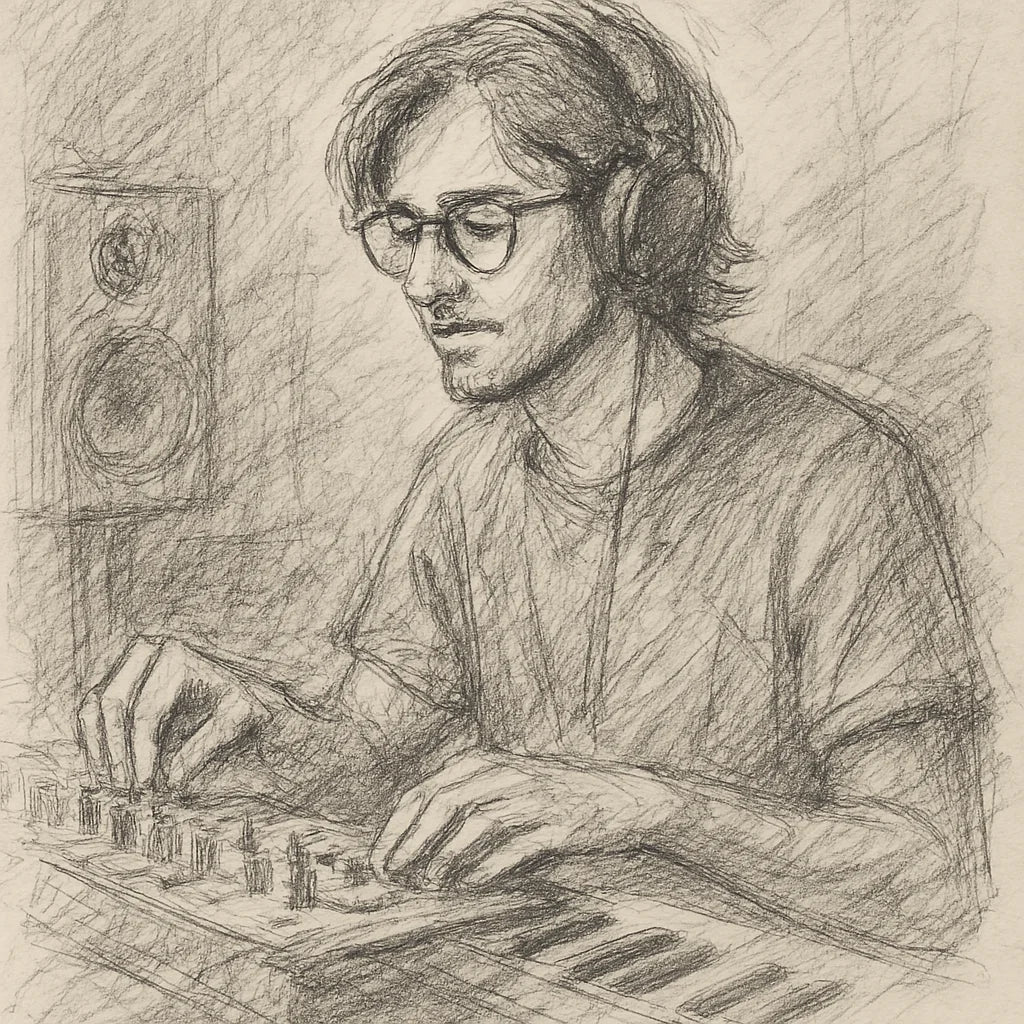
Founder's Story
"When COVID hit, I finally had time to dive into music production—only to discover I was missing the right tools. The plugins I tried were clunky, overloaded with unnecessary features, and killed my vibe with endless tweaking. I knew there had to be a better way.
So, with my engineering background, I started making free and simple audio plugins for my producer friends. They loved them! That’s when I set out on a mission to create plugins that save you time, streamline your workflow, and keep your creativity flowing."
- Ryan Svensson (Founder & CEO)
See what your mix is made of. Read every peak.
Your mix's balance as one shape, the loudest peak named with its frequency, note and level, and your sound passing through bit for bit with zero latency.
$43.02 AUD常规价格 $143.42 AUD70% off
- 90-day money back
- Five computers
- Lifetime updates
Pairs with



Octaview Spectrum Analyzer
$43.02 AUD常规价格 $143.42 AUD70% off